



Flashduty is a full-featured incident on-call center. It integrates with monitoring systems across cloud and on-prem environments, centralizes alert noise reduction and routing, supports acknowledgment and escalation, and helps teams coordinate on-call work. We spoke with representative customers to understand their pain points, selection criteria, and expectations for the future.
This interview features Zhang Wang, a senior operations engineer at Yifeng Pharmacy. Yifeng Pharmacy is a listed retail pharmacy chain with more than ten thousand stores. Its official website is https://www.yfdyf.com/, and its Shanghai Stock Exchange ticker is 603939.

Question: Before choosing Flashduty, how did your company manage and deliver alert events?
Answer: We had several different monitoring systems internally. Zabbix was used for machines and network devices. Prometheus plus Nightingale were used for middleware and application monitoring. We also used cloud monitoring from several cloud vendors for cloud resources.
All of these monitoring systems generated alerts, but we lacked a unified capability for alert aggregation, noise reduction, acknowledgment, and escalation. Zabbix, Prometheus, and Nightingale mainly sent alerts to WeCom groups, while cloud monitoring mainly used phone calls and SMS.
Because most alerts went into WeCom groups, there was no good acknowledgment mechanism. Sometimes alerts were not handled in time and eventually turned into incidents. That was our main pain point.
Another problem was that a large number of alerts could be triggered in a short period, often from different monitoring systems. Important and unimportant alerts were mixed together in a long stream of WeCom messages. It was difficult to read and easy to miss critical alerts.
Among these systems, Alertmanager in the Prometheus ecosystem has some noise reduction capability, but it requires YAML configuration. That configuration is easy to get wrong and inconvenient to manage. Overall, the experience was frustrating.
Question: Have you migrated your internal alert events to Flashduty? How is it working today? Do you have any suggestions for us?
Answer: Yes. Alerts from our main monitoring systems are now sent to Flashduty. The overall result has been good.
One request from our big data team was the ability to send custom notification recipients and escalation logic when pushing alert events to Flashduty. We saw that you abstracted this into product capability, and the head of the big data team said the result met expectations.
Question: When evaluating incident on-call products, you also looked at other vendors. Why did you ultimately choose Flashduty?
Answer: Yes. Company policy required us to compare multiple products. We did a deep evaluation of two products and also considered building our own, so there were effectively three options.
Building in-house would have given us more control, but we were concerned about what would happen if the people maintaining it changed roles or left. Also, an incident center is not our core business product direction. We are a pharmacy business, and for an auxiliary platform like this, management was not willing to invest too much internal engineering effort. Buying a product offered a reasonable cost-performance balance, so we decided to purchase.
After comparing available products, we chose Flashduty mainly because the UI felt modern, and alert assignment, acknowledgment, and escalation were flexible enough for our needs. Your quick response to the big data team's requirement was also a plus.
We also use Nightingale and had communicated with your team before. We felt that you were professional in monitoring and alerting, which was another positive signal.
Question: Thank you, Zhang Wang. Do you have any suggestions for our product direction or future cooperation?
Answer: When colleagues talk internally, we generally feel that one strength you should keep is the willingness to iterate and grow together with customers.
Our team has been doing monitoring inside the company for many years, and we still have new needs and new ideas from time to time. A system cannot be deployed once and then remain unchanged forever. The ability to keep iterating, continuously improve the product, support customer business growth, and help customers implement new ideas is extremely important. I hope you can continue to maintain that.
About Flashduty
Flashduty centralizes alert handling and notifies the right person at the right time.
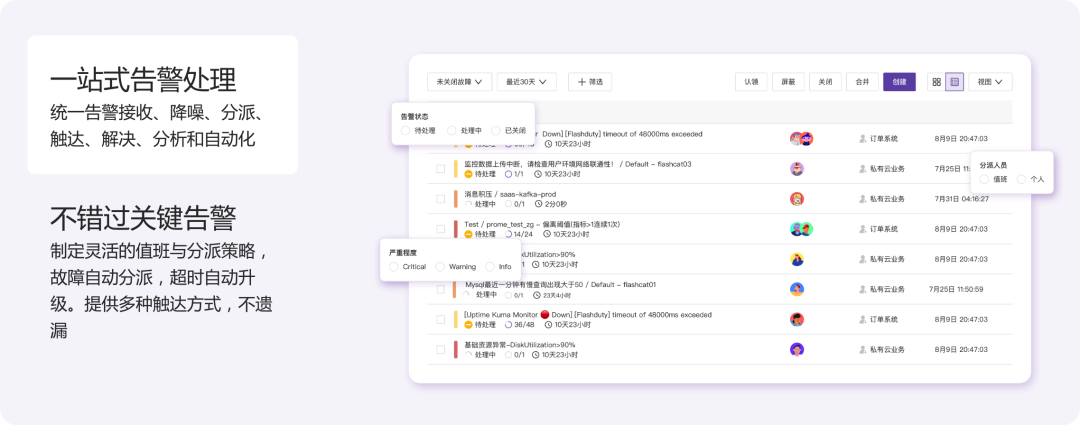
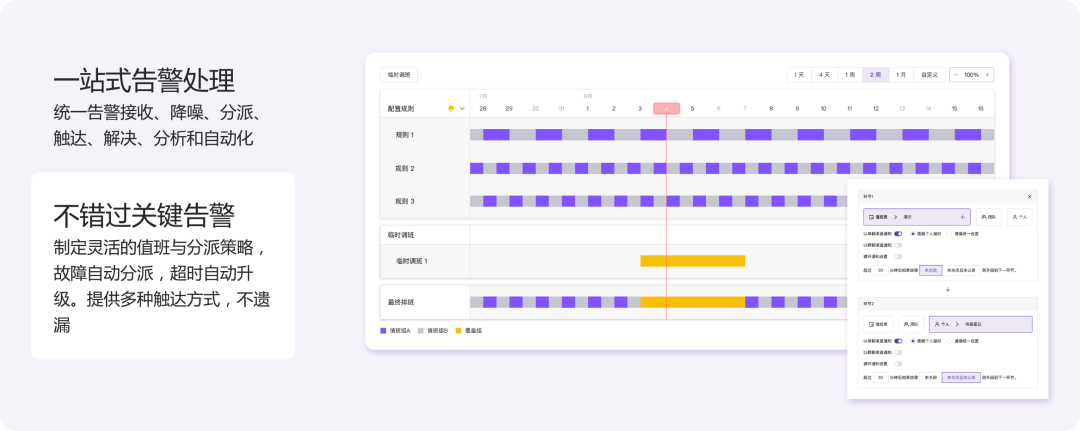
Every minute matters. Reducing downtime protects revenue.
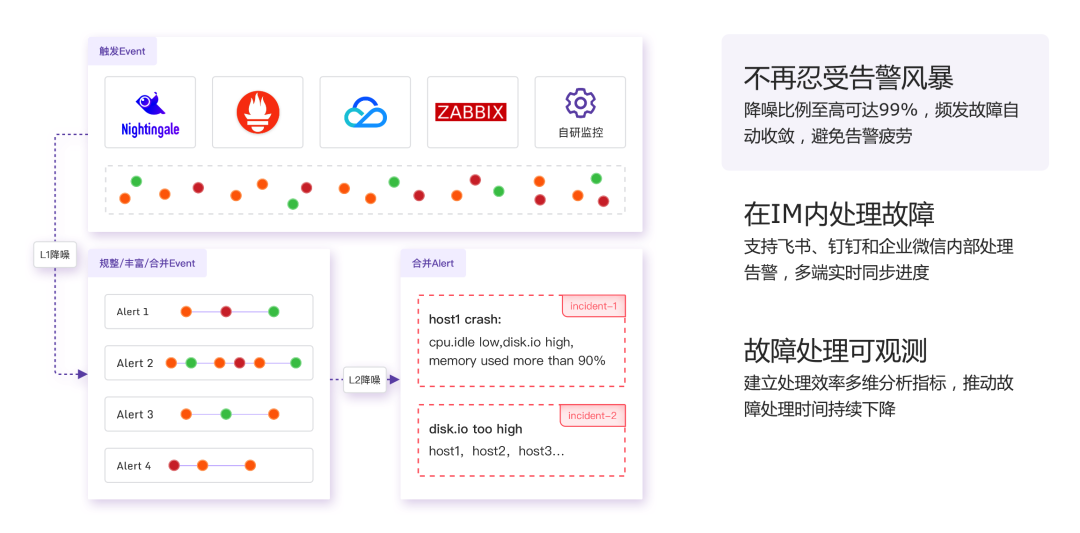

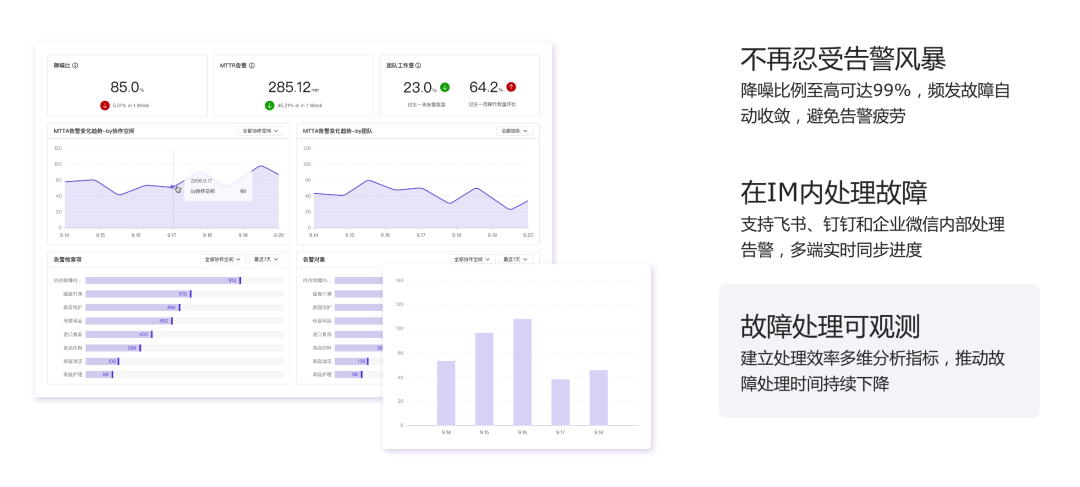
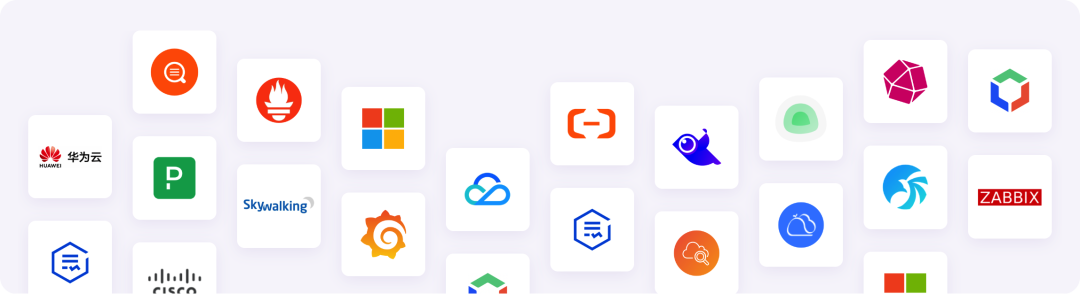
Flashduty integrates with the monitoring systems teams already use.
Timely alert handling is essential for production reliability. A centralized on-call center helps teams reduce alert storms, avoid missing critical incidents, and analyze response efficiency through metrics such as MTTA and MTTR. Try Flashduty for free.